Why Wholesale Jewelry Quotes Differ — What Sets the Price
You sent the same design to three suppliers. One came back at $1.40 a piece, one at $2.60, one at $4.10. Same drawing, same “gold-tone plated” description, same order quantity. And every one of them claims the customer gets the better deal.
Here is the thing nobody explains to you before you place a first bulk order: that price gap is not greed. It is a list of decisions you could not see. Change any one of them and the number moves. Once you know where the number comes from, you stop negotiating blind — and you start deciding which compromises you are willing to ship to a customer.
1. Base metal — the biggest line nobody shows you
Two pieces can look identical in a photo and cost 40% apart because one is plated over a heavier base. Base metal is where the money hides, and it is also the line most often left vague. “High-quality alloy” is not an answer. Ours is copper, stated plainly, because a copper base is what makes a plated piece affordable in the first place — not a compromise we hide, just a different cost structure.
The real question to ask is not “is it good metal?” It is “tell me the exact base and its weight per piece.” A supplier who answers in one sentence is telling you they control the process.
2. Plating thickness — the tone name costs nothing
“Gold tone,” “silver tone,” “rose gold tone” — those are color names. They cost nothing extra, because they describe the finish, not a different metal. What costs is the plating thickness underneath, and that number decides whether the piece still looks right after a year of daily wear.
Two suppliers use the same three words. One plates for weeks of casual wear; the other plates for a photo shoot. From the listing you cannot tell the difference. From a six-month reorder, you absolutely can.
3. Stone grade — the invisible line on cubic zirconia
Cubic zirconia has grades, and suppliers rarely name them. Two stones that look identical under studio light can sit at different ends of the grade range: one holds its clarity, the other clouds after a month of hand contact. That gap shows up in your returns, not in your cost sheet — which is exactly why it never gets discussed at quote time.
For lab-created opal the same rule applies. Color play varies between batches. Ask whether the supplier controls the batch, or is buying whatever the factory has that month.
4. MOQ — and the sample cost hiding inside the unit price
Unit price and MOQ are the same negotiation wearing two costumes. A $2.60 piece at 20 units is not a better deal than a $1.90 piece at 200 — it is a smaller test, and it costs you more per unit to prove.
Ask what the sample charge is and whether it comes off the first bulk order. Most honest suppliers will tell you plainly. Also worth asking: is the minimum per design or per order? If it is per design and you need six styles, six times the minimum is your real commitment. This is covered step by step in how to order wholesale jewelry from China.
5. Packing — the last line of the quote
Polybags are cheap. Individual velvet pouches with your logo add real per-piece cost. Gift boxes, hang tags, barcodes, and the labor to put them in adds more. This is not padding — it is a legitimate part of your landed cost, and it is the line most often forgotten until the invoice arrives.
If your customers meet the packaging before the jewelry, budget for it properly. If they do not, ask for the cheapest option that still survives shipping.
6. What the supplier’s overhead tells you about reorders
A factory running one production line, plating in-house, with people on the floor, costs more per piece than a trading company reselling someone else’s stock. That premium buys you something specific: batch consistency on the reorder. The piece you reorder in four months comes off the same line, doing the same steps.
Ask directly: “If I reorder in three months, will it look the same?” How they answer tells you more than the price tag does. We run production through an OEM factory we have worked with for close to ten years for exactly this reason, which is the same argument we make in what to check before you place a wholesale order.
The practical version: get two or three quotes on the same design, then ask every supplier the same four questions — exact base metal, plating thickness, stone grade, and sample terms. The answers will separate the quotes faster than any negotiation will, and they cost you nothing but four emails.
Where our own numbers land
We are not the cheapest quote you will receive, and pretending otherwise would waste your time. What we offer is a stated material chain — copper base, silver / gold / rose-tone plating, cubic zirconia, rhinestone, lab-created opal — and the same production line behind your reorder. Our materials page spells out exactly what goes into our pieces, and the wholesale inquiry form asks for your quantity and product lines up front so the first reply is a real answer instead of a catalog.
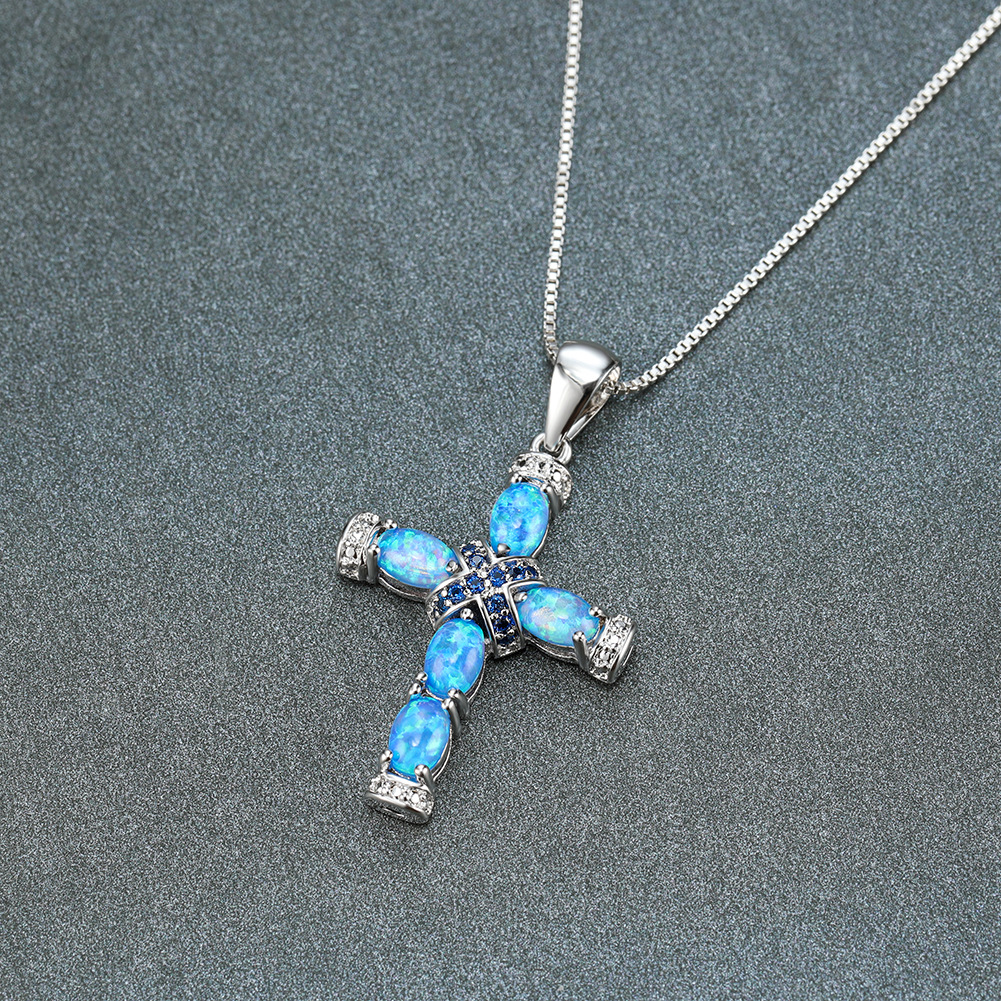
Here is a real one: our blue cross pendant runs at $25.99 — copper base, silver-tone plating, CZ stones. That number already includes the plating thickness and stone grade most quotes leave vague.
When you are ready to put these four questions to a real supplier, start a wholesale order with us — we answer them in plain terms, no catalog runaround.
Send us the design and the quantity. We will tell you what it costs and why.
Wholesale inquiry